Table Of Content
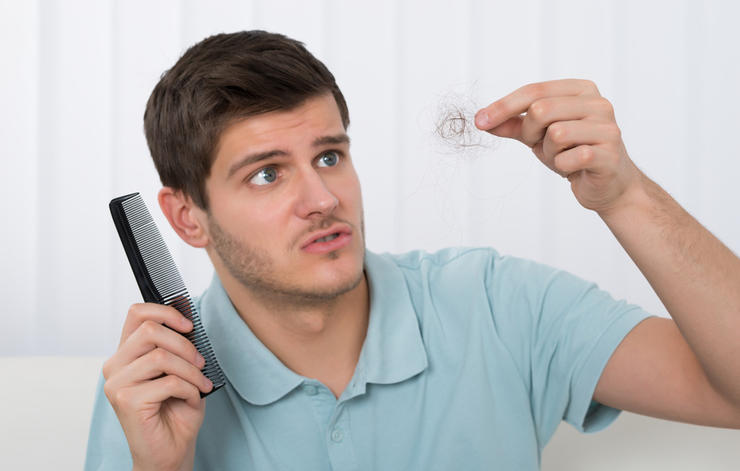
New hair normally replaces the lost hair, but this doesn’t always happen. If there is ongoing stress, hair may take longer than six months to come back to normal. Like many COVID-19 survivors, Cabrera — who described herself as going “1,000 miles per hour” before the illness — continues to grapple with its aftermath. She still can’t walk 10 steps without being out of breath and hasn’t been able to return to work.
When to see a doctor about hair loss
Heparin sodium and heparinoids, do it as well in more than 50% of the patients. Most of the cases of telogen effluvium are subclinical; therefore, its true incidence is not clearly known [5]. No racial predilection of the disease has been recognized and it affects both males and females, with a higher incidence rate in females. However, it should be taken into account that women take hair shedding problem more seriously than men and are likely over-represented in seeking medical treatment [1]. The association of telogen effluvium with age is unclear; however, elderly women are known to be more susceptible to acute telogen effluvium following fever, trauma, hemorrhage, or psychological stress [1].
Which vitamin can help with hair loss?
While we know that stress is an undeniable factor in most people’s lives, its impact on so many aspects of our physical and mental health is perhaps more far reaching than we might imagine. When it comes to our hair, stress is the second biggest cause of hair loss after genetics, but because the process usually takes anywhere between three and six months to happen, many people don’t make the connection. Typically, the most common types of hair loss are treated with topical or oral medications, which will likely be the first course of treatment.
Download the Patient Access app
He recommended taking an over-the-counter iron supplement twice daily, which I quickly added to my routine. I picked up a bottle of the men’s 5% strength per his instructions (it's the exact same thing as the women’s, only stronger and without floral branding), and dutifully applied it to my part and crown that night before bed. The foam settled nicely into my problem areas, and I felt little to no discomfort upon application. While dermatologists can’t definitively say how minoxidil works, they believe it increases blood flow to the hair follicles, which promotes the growth of thicker, stronger strands. I eventually invested in a six-month supply of Kirkland’s 5% minoxidil, which is the off-brand version of Rogaine, with the same same active ingredient, for $5 per bottle (as opposed to $35 at CVS).
Seasonal hair loss: What causes it and treatments to help - TODAY
Seasonal hair loss: What causes it and treatments to help.
Posted: Fri, 12 Apr 2024 07:00:00 GMT [source]
After a stressor or change to your body, up to 70% of your hair in the anagen stage prematurely enters the telogen phase, which causes hair loss. During menopause, hormonal changes, specifically a decrease in oestrogen levels, can affect hair growth cycles. “Over time, the constant pulling damages the hair follicles, leading to thinning or bald patches, especially around the hairline or where the hair is pulled tightly. Additionally, new regenerative strategies have been introduced since 2017 in AGA treatment using an autologous suspension of HFSCs obtained from scalp biopsies of the patients, showing similar results to PRP [49,51,63]. Since late 2019, the severe acute respiratory syndrome coronavirus 2 (SARS-CoV-2) outbreak has posed a serious threat to human health and wellbeing worldwide.
Anagen Effluvium
At any given time, you have a small amount of hair in the telogen phase. The diagnostic process entails a careful and comprehensive history-taking, particularly focusing on the period 6–12 months prior to the onset of shedding, by which one will often identify the causative stressor. Some surgeries or vaccinations can cause a shock to your system and put the hair follicles into a resting state. Physical trauma, like being in a car crash, having blood loss, or having surgery, might trigger TE. Exposure to toxins like heavy metals may also cause this condition. This is because the “shock” of the environmental change causes your hair follicles to go into a resting state.
Products and Services
You can take a few steps to try to minimize the shedding or recover more quickly. Talk to your healthcare provider before making any significant changes to your routine or starting a home treatment. Trichodynia was observed by Sulzberger2 as a distinctive symptom of TE and later confirmed.3 Its presence in cases of AGA49,51 is probably due to the association of the two disorders.
Hair Loss Prevention: 22 Things You Can Do to Stop Hair Loss - Healthline
Hair Loss Prevention: 22 Things You Can Do to Stop Hair Loss.
Posted: Thu, 25 Apr 2024 16:18:45 GMT [source]
Lifestyle
Many medications have been linked to telogen effluvium, but the most common are beta-blockers, retinoids, including excess vitamin A, anticoagulants, propylthiouracil, carbamazepine, and immunizations. This activity reviews telogen effluvium and highlights the role of the interprofessional team in the recognition and management of patients affected by it. It consists of a growing phase (anagen), an involuting phase (catagen), and a resting phase (telogen). The anagen phase can last for about two to five years, and around 90% of scalp hair is in this phase [8]. The catagen phase is a much shorter phase, lasting three to six weeks. During this phase, the hair follicles go through a process of programmed cell death (apoptosis) [8,9].
My own hair loss was categorized as a byproduct of stress and malnutrition, so I was advised to monitor my nutrition and look after my mental health. It felt comforting to have an answer and professional advice, and for a moment, I felt like I'd regained a sense of control. But with no real cure to curb the hair loss and realizing it could take years for my hair to return to its normal state, I knew the real fix needed to happen inside my head, not on it.
If there is some kind of stress to the body it can cause 70% of anagen hair to precipitate into the telogen phase thus causing hair loss. The diffusion of severe acute respiratory syndrome coronavirus 2 (SARS-CoV-2) inducing coronavirus disease 2019 (COVID-19) has increased the incidence of several dermatological disorders, including hair loss (HL). Observational studies revealed an escalated incidence of pattern HL and TE in COVID-19 patients. Psychological stress, systemic inflammation, and oxidative stress are potential culprits. Proinflammatory cytokines and stress hormones negatively affect the normal metabolism of proteoglycans. Reduced anagenic expression of proteoglycans is a potential mediating mechanism that connects HL to COVID-19.
TE can cause a dramatic, sudden, and visible thinning of hair, the psychological impact of which can be devastating. Without appropriate reassurance and emotional support, the anxiety and concern about possible permanent loss can create a forward feeding process that can move acute telogen effluvium into a chronic state. Stress management and therapy directed towards reducing or redirecting this anxiety are often overlooked but should be considered successful treatment adjuncts. An episode of telogen effluvium can be dramatic, with hair falling out in handfuls, overall thinning, and an increased scalp show. Thinning of eyebrows and pubic hair is also a frequent feature and is generally seen to recover faster than the scalp.
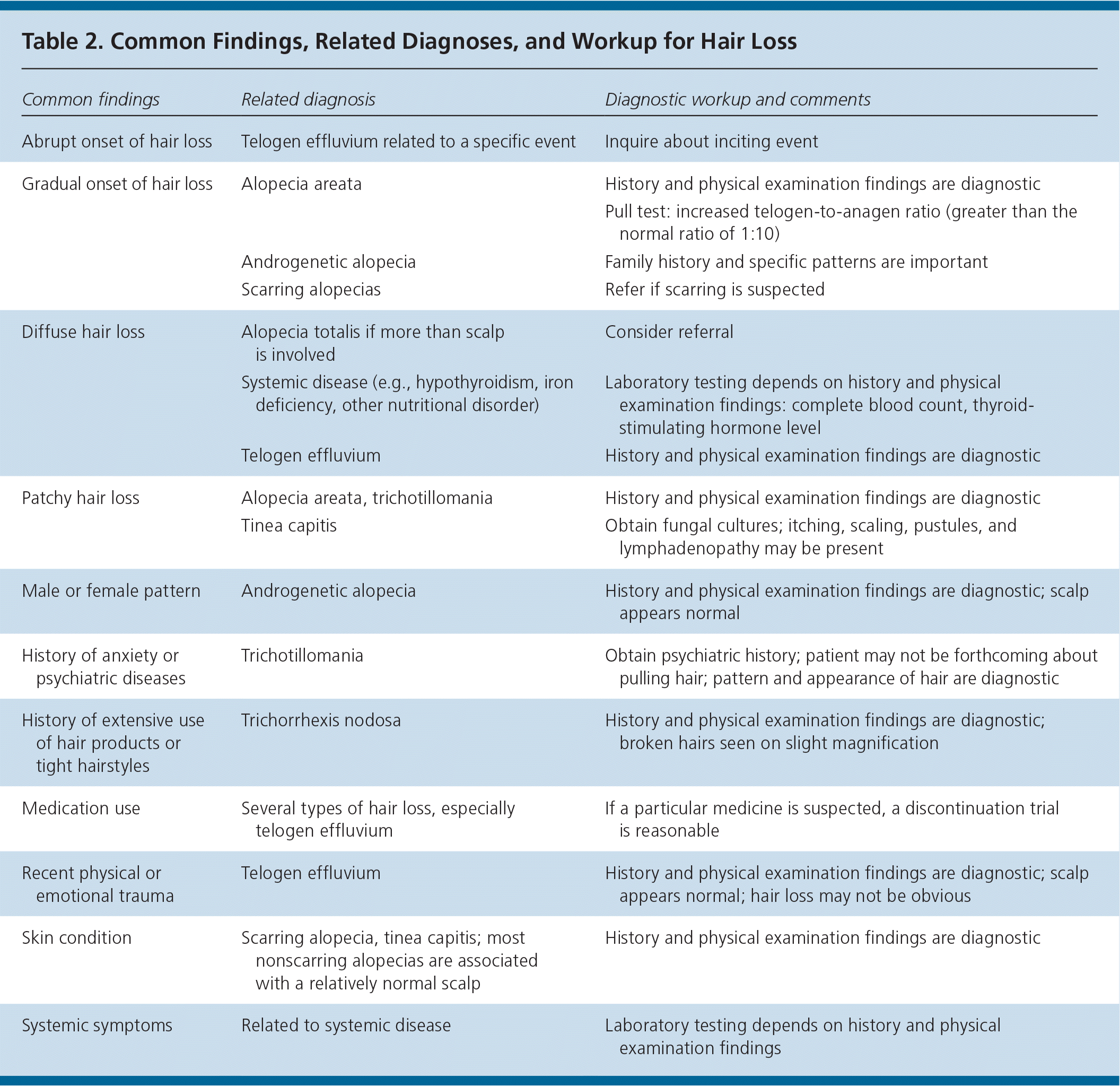
Patients will report hair shedding, usually without other symptoms, with a relatively abrupt onset. By definition, in acute telogen effluvium, shedding lasts less than six months; often the period of shedding is much shorter. A careful history will identify a causative event (see etiology section) occurring approximately three months before the onset of the shedding (range from 1 to 6 months). Quite often the patient has fully recovered from the acute illness and fails to see the connection between the illness with the hair loss. Anagen effluvium is similar to telogen effluvium, but it happens much more quickly and can cause you to lose all your hair.
A collective teloptosis may in fact coexist with an autoimmune form. From this point of view, the possible coexistence of TE with postpartum thyroiditis, which develops occurs in about 5% of the new mothers,48 has never been investigated. Cycle synchronization may occur also in the course of long-lasting medications with estrogens. Minoxidil and finasteride do the same and may induce collective teloptosis 3–4 months after the medication is stopped.
Bathing, which had always been a respite for me, started to border on anxiety-inducing. The best way to treat the condition is to figure what’s triggering it — your environment, hormones, or lifestyle choices. Treatments for TE can range from lifestyle changes to trying out over-the-counter (OTC) products. In some severe cases, TE can cause hair in other areas to fall out, like your eyebrows and pubic region. In brief, the same mitosis-blocking insult may cause anagen effluvium or TE independently from its quality.


No comments:
Post a Comment