Table of Content
Dave grew up in New Jersey before entering the Air Force to operate satellites, teach space operations, and do space launch planning. He then spent eight years as a content lead on the Windows team at Microsoft. As a photographer, Dave has photographed wolves in their natural environment; he's also a scuba instructor and co-host of several podcasts. Dave is the author of more than two dozen books and has contributed to many sites and publications including CNET, Forbes, PC World, How To Geek, and Insider. You can add a home button using an accessibility feature called AssistiveTouch.

If you remove all of the AssistiveTouch buttons except the Home button, then it becomes a one-touch Home button that you drag around to any location on your screen. With AssistiveTouch on, a gray dot appears onscreen; tap this grey dot to access the Home button. On the Customize Top Level Menu page, you can tap any button and change it to perform a different function. In fact, the most recent iPhone models don't have a home button at all.
Using the Home button
Place your finger on the Home bar and swipe up past the middle of the screen. Navigating back to the Home screen on your iPhone no longer requires a Home button. We’ll show you how to get to the Home screen with one quick swipe. If the virtual home button is distracting you, you can make it less distracting by reducing the opacity of Virtual Home Button when it is not in use.
Tap this button to open a menu of touch options, including the Home button. When you tap the Home button, it will take you back to your Home screen. To use AssistiveTouch, tap the button that hovers on the screen.
iMore Newsletter
Apple’s introduced the latest of it’s line up of iPhones with no Home button. The iPhone 12 series joins the iPhone 11 series, and the iPhone XR, XS and X with a full screen front and Face ID. On an iPhone with Face ID, you can also use AssistiveTouch or use Switch Control to confirm payments with Face ID instead of double-clicking the side button. Open the AssistiveTouch options using the instructions above.
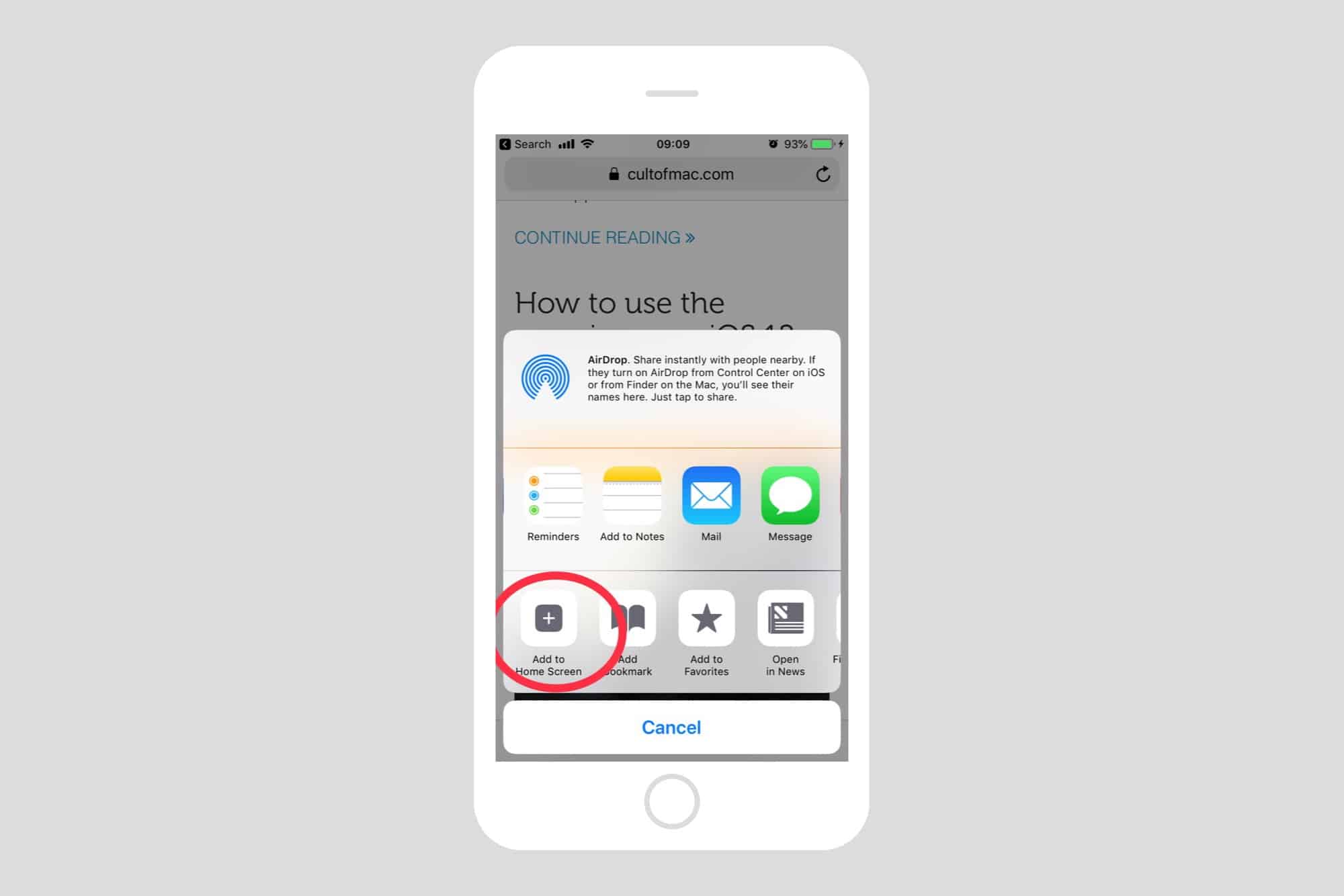
In each gesture, you have an option to customize the gesture. Using the same option, you can easily replace most iOS functions that you perform with a physical home button. You need to enable the AssistiveTouch toggle from the Settings menu. We've already gone overhow to close apps on any iPhoneand how to add a Home button on the screen for iPhones without them. For more tips and tricks for navigating your iPhone and other Apple devices, check out our free Tip of the Day. This is often where all the apps you use the most are located.
How to get a Home button on the iPhone
If you go straight from a sleeping Lock screen, rest your finger for a second, and press the Home button, it'll unlock, whether you have Rest Finger to Open enabled or not. You can rotate the screen from the following menu, mute iPhone, use the volume up/down function, and even lock the screen. Tap to turn on “Assistive Touch.”Finally, you have it!
You might need to access the multitasking menu and close some of the apps to free up RAM on phone. Managing smart devices is essential for businesses and schools, especially when operating remotely. Jamf Now is a cloud-based mobile device management system that oversees 20 million Apple devices worldwide.
Customising the Home button
However, now the iPhone 14 has an accessibility feature that displays a virtual home button. If your iPhone doesn’t have a home button or if the one on your iPhone 4S/5 no longer functions, you can simulate one using Assistive Touch Accessibility. Learn how to use AssistiveTouch to adjust volume, lock your screen, use multi-finger gestures, restart your device, or replace pressing buttons with just a tap. Once you've enabled AssistiveTouch, a gray button will appear on your screen.

You can add shortcuts to the Home Screen, and optionally group them into folders. In addition to using Assistive Touch Icon as Virtual Home Button, you can program the AssistiveTouch Icon to provide access to Accessibility Menu on Double-tap. If the switch shows orange, it means your iPhone is in silent mode and will vibrate for incoming calls or alerts. When in silent mode, the alarms you set in the Clock app will still sound, and calls from Favorite contacts will still ring.
With Jamf Now, one person can do in a day what a small team of people could do in a week. Start with three devices for free and add more for just $2 per device, paid monthly. In reality, starting with the iPhone X, Apple has removed the home button from all subsequent iPhone models. The Home button, and the ease with which it allowed users to navigate the iPhone, are sorely missed by some.
You can move to to the position that is least distracting for you, or even place it where the Home button used to be. Use the Home button tounlock your device or make purchases using Touch ID. Press the Home button once to go to the Home screen. Press the Home button twice tobring up the App Switcher. Tap the minus sign to get rid of buttons you don't need. Open the AssistiveTouch settings and tap Customize Top Level Menu.
If there’s not enough room for a new widget, you can tap to remove a widget and make room for a new one. Scroll down and select Use as Wallpaper, tap Done, then choose whether to show it on both your Home Screen and Lock Screen. For some wallpaper choices, you can swipe left or right to try different color filters, patterns, and fonts that complement each other. To exit any app, swipe up from the bottom of the screen. The iPhone Home button is notably missing from the iPhone X and later iPhones like the iPhone 13.
On iPhone SE , 8, 7, or 6, press and hold the side button. On iPhone SE and earlier, press and hold the top button. AssistiveTouch features include shortcuts to your iPhone Notification Center, the iOS Control Center, and Siri. You can even create custom AssistiveTouch shortcuts for iPhone. Check out all AssistiveTouch features on Apple's website. Alternatively, you can tap the - button to remove any menu button you don't want to use.




No comments:
Post a Comment